10 Unexpected Polish Driving Regulations Tips
Understanding Polish Driving Regulations: A Comprehensive Guide
Driving in Poland can be both an exhilarating and challenging experience, particularly for those unknown with the nation's driving regulations. Poland's abundant history, stunning landscapes, and dynamic cities are best explored by car; nevertheless, it's essential for drivers— both residents and visitors— to be well-versed in the laws of the roadway. This comprehensive guide will cover whatever you need to know about driving regulations in Poland, ensuring that you browse the roads securely and lawfully.
General Driving Regulations
Polish driving regulations encompass a variety of laws and standards governing roadway usage. Below is a table summing up essential general regulations that all drivers must understand.
Regulation
Description
Minimum Age to Drive
18 years for automobiles (category B)
Seat Belts
Compulsory for all residents
Use of Mobile Phones
Prohibited unless utilizing hands-free technology
Driving with Alcohol
Blood alcohol limit of 0.02% (strictly imposed)
Speed Limits
Varies by area (see Speed Limit Section listed below)
Winter Tyres
Necessary from November 1 to March 31 in particular locations
Insurance Requirements
Obligatory third-party liability insurance coverage
Speed Limits
Speed limits in Poland can vary depending upon the type of road and the automobile. The following table sets out basic speed limitations that every driver need to adhere to:
Road Type
Speed Limit (km/h)
Speed Limit (miles per hour)
Urban Areas
50 km/h
31 miles per hour
Single Carriageway
90 km/h
56 miles per hour
Double Carriageway
100 km/h
62 miles per hour
Freeways
140 km/h
87 mph
Cars over 3.5 lots
80 km/h
50 mph
It is vital to be aware that speed limits may be lower near schools, play grounds, or in suburbs, so alertness is essential.
Extra Speed Regulations
- Variable Speed Limits: In some city locations, variable speed limitations might apply based on traffic conditions, which will be suggested by electronic signs.
- Penalties: Failing to stick to speed limitations can lead to fines, points on your driving record, and in extreme cases, license suspension.
Essential Equipment for Drivers
Poland mandates particular devices that drivers should have in their automobiles. The following list summarizes this needed equipment:
- Safety Vests: Every lorry needs to be geared up with a reflective safety vest for emergency situations.
- Warning Triangle: Required for signaling roadside breakdowns.
- Fire Extinguisher: In commercial vehicles, a fire extinguisher is compulsory.
- First Aid Kit: While not legally required for all vehicles, a very first aid set is recommended.
Kid Safety Regulations
In Poland, specific regulations exist concerning child security in cars. Children under 150 cm (approximately 4 feet 11 inches) need to utilize an appropriate kid safety seat. The following table provides an introduction of child security seat requirements:
Child's Age/Height
Needed Restraint Type
Infants (approximately 13 kg)
Rear-facing cars and truck seat
Young children (9-18 kg)
Forward-facing safety seat
Children (15-36 kg)
Booster seat
Secret Takeaway for Parents
As rigid as these laws might appear, they remain in place to ensure the safety of young guests. It is a good idea for moms and dads to acquaint themselves with the most recent regulations relating to child security seats before traveling in Poland.
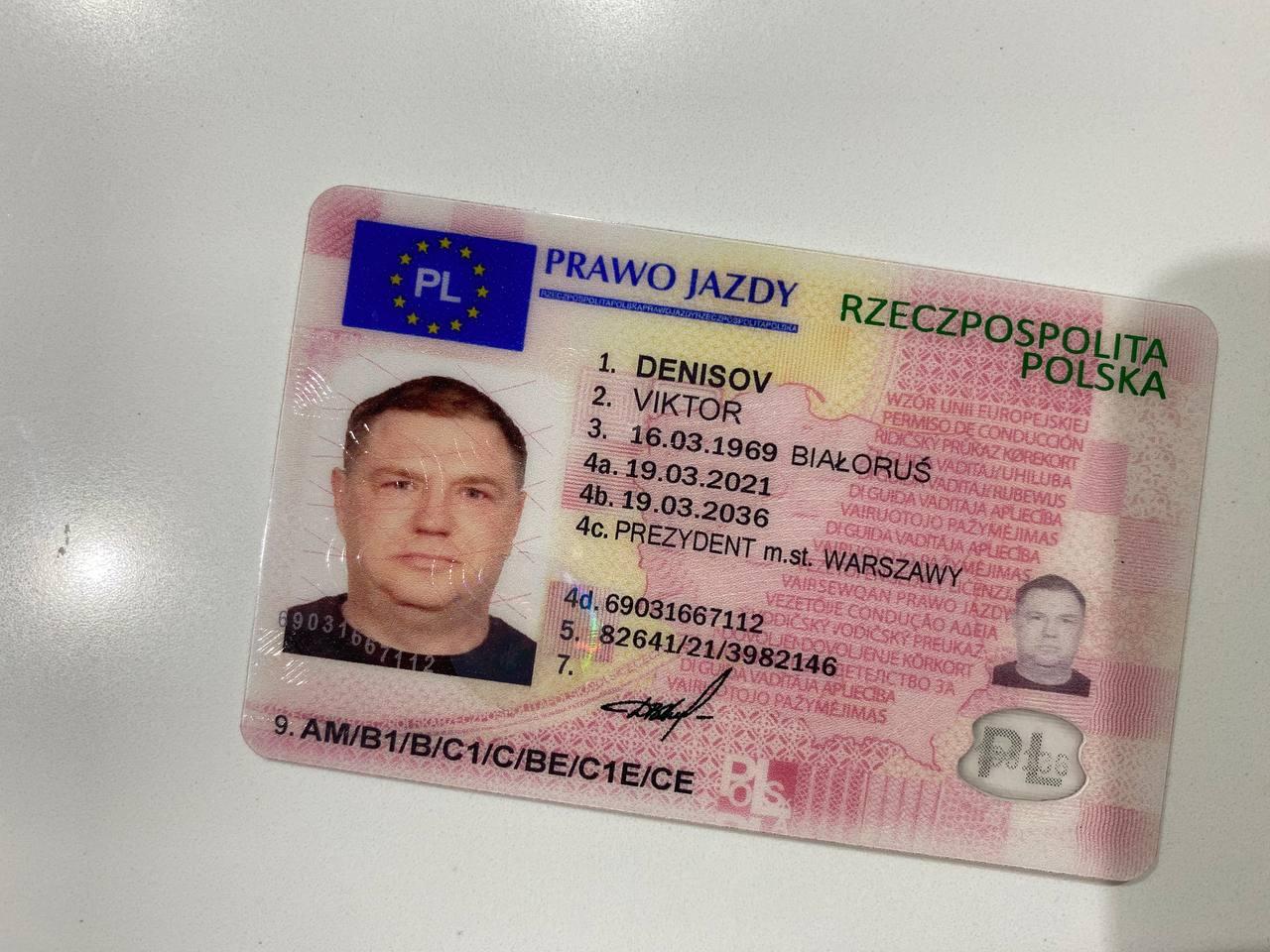
Driving Licenses and Documentation
Driving lawfully in Poland requires the appropriate paperwork. Here's a vital list of what drivers need to carry:
- Driving License: Valid driving license (EU or International Driving Permit for non-EU people).
- Lorry Registration Documents: Proof of ownership or rental contract if appropriate.
- Insurance coverage Documentation: Proof of valid insurance coverage.
Important Considerations
- All documents should be in English or consist of a legal translation, particularly for non-EU license holders.
- Drivers must also keep a copy of their passport or ID card for recognition purposes.
Charges for Non-Compliance
Driving without regard for Polish regulations can cause strict charges. Below is a table highlighting potential fines for common offenses:
Infraction
Prospective Fine (PLN)
Speeding (as much as 10 km/h)
50 – 200
Not using a seat belt
150
Using a smart phone while driving
300
DUI (0.2% – 0.5% blood alcohol)
500 – 5000
Driving without insurance coverage
1500 – 3000
Frequently Asked Questions (FAQs)
1. Can I drive in Poland with a foreign license?
Yes, visitors can drive with their foreign licenses for as much as 6 months. An International Driving Permit is recommended for non-EU people.
2. What should I perform in case of a mishap?
Call emergency services utilizing 112, ensure everybody is safe, and document the scene. It's vital to exchange details with the other celebration.
3. Are there tolls on Polskie Prawo Jazdy Online ?
Yes, tolls apply on particular motorways and must be paid using electronic devices or cash at toll booths.
4. Is it required to have winter season tires in Poland?
Yes, winter tires are compulsory throughout specific months, and it's smart to be gotten ready for icy conditions.
5. What is the charge for driving under the influence?
The penalties for driving under the impact can range from fines to imprisonment, with an automatic suspension of driving opportunities.
Being conscious of and adhering to Polish driving regulations is vital for guaranteeing safety and preventing fines while exploring this captivating country. Whether you're a regional or a tourist, understanding speed limits, needed devices, paperwork, and kid safety requirements will enable a smooth journey. Poland's diverse landscapes and historical towns await you— with the right understanding, enjoy every mile of the trip. Safe travels!